
Collaborating for Excellence: Dallas Contractors Unite
In the vibrant city of Dallas, a new wave of collaboration among contractors is reshaping the construction landscape. As the demand for innovative and sustainable building solutions grows, contractors are realizing that working together can lead to greater success. This blog post explores how collaboration among Dallas contractors is fostering excellence, enhancing project outcomes, and driving the industry forward.
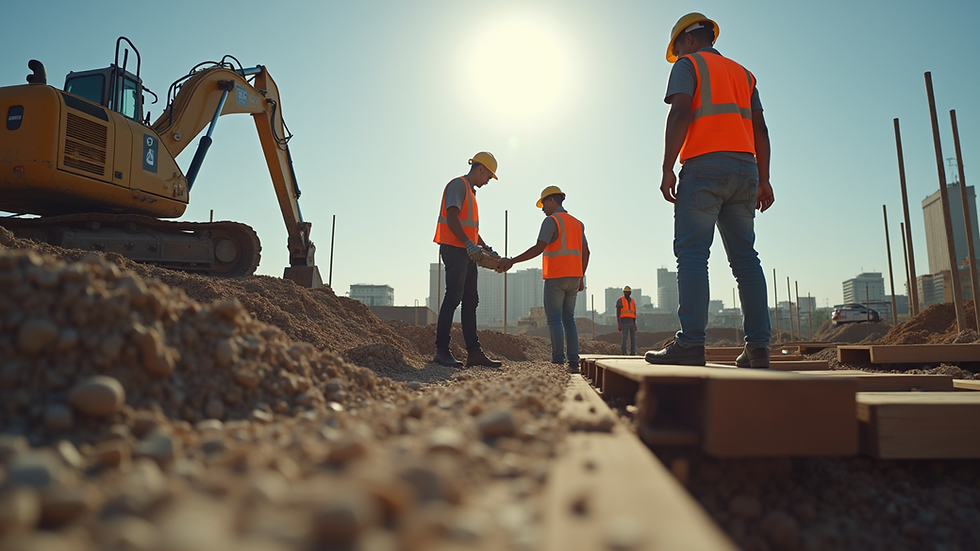
The Importance of Collaboration in Construction
Collaboration in construction is not just a trend; it is a necessity. The complexity of modern construction projects requires diverse expertise and resources. By collaborating, contractors can:
Share Knowledge: Different contractors bring unique skills and experiences to the table. Sharing this knowledge can lead to innovative solutions and improved project efficiency.
Reduce Costs: Pooling resources can help contractors save money on materials, labor, and equipment. This is especially important in a competitive market where margins are tight.
Enhance Quality: Working together allows contractors to hold each other accountable, leading to higher quality work and fewer mistakes.
Improve Safety: Collaboration fosters a culture of safety, where contractors can share best practices and learn from each other's experiences.
Case Studies of Successful Collaborations
The Green Building Initiative
One notable example of collaboration in Dallas is the Green Building Initiative, where multiple contractors joined forces to create sustainable buildings. This initiative focuses on using eco-friendly materials and energy-efficient designs. By collaborating, these contractors were able to:
Leverage Expertise: Each contractor brought specialized knowledge in areas such as renewable energy, sustainable materials, and efficient design.
Achieve Certification: The collaboration resulted in several buildings receiving LEED certification, showcasing their commitment to sustainability.
The Dallas Urban Development Project
Another successful collaboration is the Dallas Urban Development Project, which involved several contractors working together to revitalize a neglected area of the city. This project highlighted the benefits of collaboration in urban development:
Community Engagement: Contractors worked with local residents to understand their needs and incorporate their feedback into the project.
Shared Resources: By pooling resources, contractors were able to complete the project ahead of schedule and under budget.
Building Strong Partnerships
To foster collaboration, Dallas contractors must focus on building strong partnerships. Here are some strategies to consider:
Establish Clear Communication
Effective communication is the foundation of any successful collaboration. Contractors should:
Set Regular Meetings: Schedule regular check-ins to discuss project progress, challenges, and solutions.
Use Collaborative Tools: Utilize project management software to keep everyone on the same page and streamline communication.
Define Roles and Responsibilities
Clearly defining roles and responsibilities helps prevent misunderstandings and ensures that everyone knows their tasks. Contractors should:
Create a Project Plan: Outline each contractor's responsibilities and expectations in a detailed project plan.
Encourage Accountability: Foster a culture of accountability where each contractor takes ownership of their work.
Foster Trust and Respect
Trust and respect are essential for successful collaboration. Contractors can build trust by:
Being Transparent: Share information openly and honestly to build credibility.
Recognizing Contributions: Acknowledge and celebrate each contractor's contributions to the project.
The Role of Technology in Collaboration
Technology plays a crucial role in enhancing collaboration among contractors. Here are some ways technology is making a difference:
Project Management Software
Project management software allows contractors to collaborate in real-time, share documents, and track progress. Popular tools include:
Asana: A user-friendly platform for task management and team collaboration.
Trello: A visual tool that helps teams organize tasks and projects.
Building Information Modeling (BIM)
BIM technology enables contractors to create 3D models of projects, allowing for better visualization and collaboration. Benefits include:
Improved Coordination: Contractors can identify potential issues before construction begins, reducing delays and costs.
Enhanced Communication: BIM facilitates better communication among contractors, architects, and clients.
Challenges to Collaboration
While collaboration offers numerous benefits, it is not without challenges. Some common obstacles include:
Competition
In a competitive market, contractors may be hesitant to collaborate due to concerns about sharing sensitive information or losing business. To overcome this, contractors should focus on the long-term benefits of collaboration, such as increased project opportunities and improved industry reputation.
Cultural Differences
Different contractors may have varying work cultures and practices, which can lead to misunderstandings. To address this, contractors should:
Promote Inclusivity: Encourage an inclusive environment where all contractors feel valued and respected.
Provide Training: Offer training sessions to help contractors understand each other's work styles and practices.
The Future of Collaboration in Dallas
As the construction industry continues to evolve, collaboration will play an increasingly important role in shaping its future. Dallas contractors are already leading the way by embracing collaborative practices that enhance project outcomes and drive innovation.
Embracing Sustainability
With a growing focus on sustainability, contractors who collaborate on eco-friendly projects will have a competitive edge. By sharing resources and expertise, they can create buildings that are not only environmentally friendly but also economically viable.
Expanding Networks
As contractors collaborate, they will expand their professional networks, leading to new opportunities and partnerships. This interconnectedness will foster a stronger construction community in Dallas, benefiting everyone involved.
Conclusion
Collaboration among Dallas contractors is not just a trend; it is a powerful strategy for achieving excellence in the construction industry. By working together, contractors can share knowledge, reduce costs, enhance quality, and improve safety. As the industry continues to evolve, embracing collaboration will be essential for driving innovation and success.
As you consider your next project, think about how you can foster collaboration with other contractors. Whether through shared resources, technology, or open communication, the benefits of working together can lead to remarkable outcomes. Let's unite for excellence in construction!


Comments